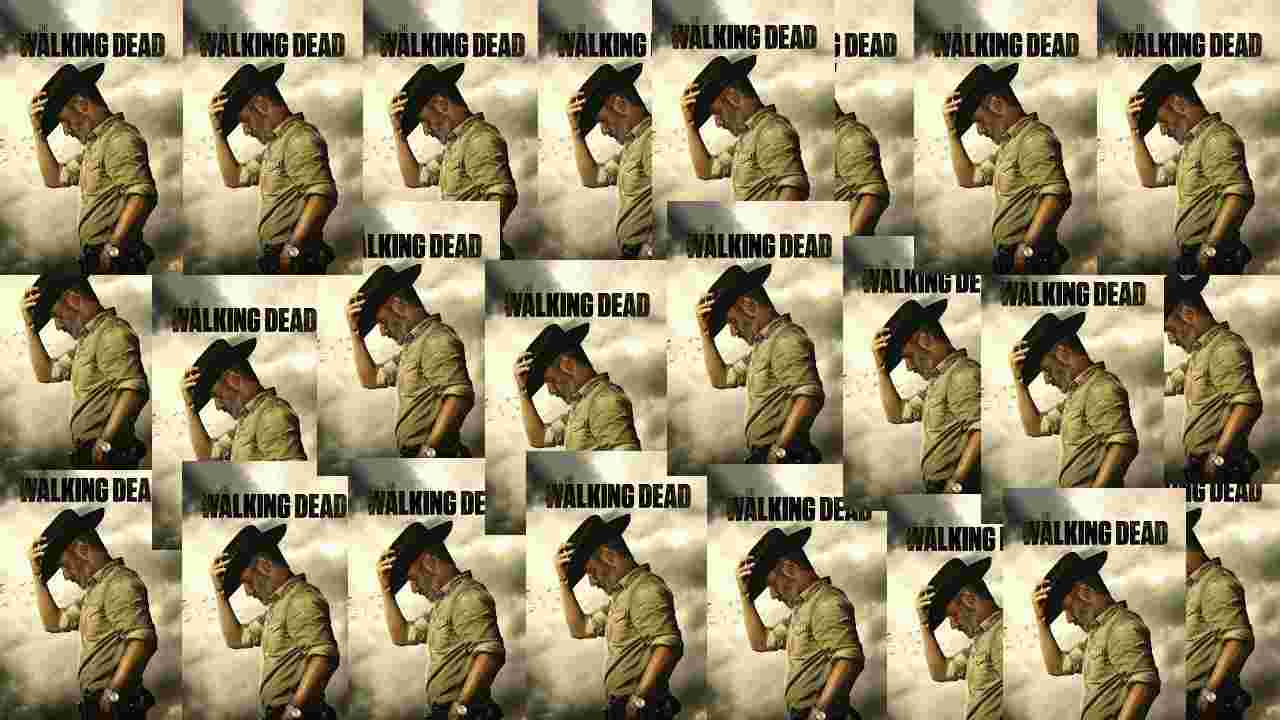
Introduction to The Walking Dead
Few TV shows have left as powerful a mark on modern entertainment as The Walking Dead. Since its debut in 2010, this post-apocalyptic zombie drama has captivated millions of viewers worldwide. Blending horror, survival, and human drama, it redefined what audiences expected from a zombie story.
At its core, The Walking Dead is not just about battling the undead—it’s about the struggles of humanity when civilization collapses. Themes of morality, loyalty, betrayal, and survival are woven into every storyline, making it much more than a simple horror show.
Overview
| Director | Greg Nicotero Michael E. Satrazemis David Boyd Ernest R. Dickerson Guy Ferland Billy Gierhart Laura Belsey Jeffrey F. January Michael Cudlitz Sharat Raju Michelle MacLaren Tricia Brock Seith Mann Michael Slovis Rosemary Rodriguez Alrick Riley Dan Liu Gwyneth Horder-Payton Daniel Sackheim Julius Ramsay Jennifer Lynch Kari Skogland Larry Teng Daisy von Scherler Mayer Kevin Dowling Frederick E.O. Toye Jon Amiel Tawnia McKiernan Frank Darabont Johan Renck Phil Abraham Daniel Attias Clark Johnson Lesli Linka Glatter Jeremy Podeswa Stefan Schwartz Michael Uppendahl Larysa Kondracki Stephen Williams Avi Youabian Darnell Martin John Polson John Dahl Meera Menon Millicent Shelton Liesl Tommy Bronwen Hughes Karen Gaviola Lily Mariye Catriona McKenzie Marcus Stokes Rose Troche Aisha Tyler Loren Yaconelli |
| Writer | Charlie Adlard Frank Darabont Robert Kirkman Tony Moore Angela Kang Geraldine Inoa Scott M. Gimple Matthew Negrete Corey Reed Vivian Tse Channing Powell Eddie Guzelian David Leslie Johnson-McGoldrick Seth Hoffman Jim Barnes Magali Lozano Glen Mazzara Kevin Deiboldt Evan T. Reilly Nicole Mirante-Matthews Julia Ruchman Erik Mountain Nichole Beattie Heather Bellson Eli Jorne Curtis Gwinn LaToya Morgan Charles H. Eglee Adam Fierro Jack LoGiudice Sang Kyu Kim Frank Renzulli Ryan C. Coleman |
| Cast | Norman Reedus Melissa McBride Lauren Cohan Christian Serratos Josh McDermitt Danai Gurira Seth Gilliam Andrew Lincoln Ross Marquand Chandler Riggs Jeffrey Dean Morgan Alanna Masterson Khary Payton Steven Yeun Cooper Andrews Sonequa Martin-Green Eleanor Matsuura Nadia Hilker Lennie James Callan McAuliffe Lauren Ridloff Cailey Fleming Cassady McClincy Zhang Emily Kinney Katelyn Nacon Tom Payne Michael Cudlitz Scott Wilson Sarah Wayne Callies Austin Amelio |
| Genres | Drama Horror Thriller |
| Release Date | October 31, 2010 |
| Country of origin | United State |
| Language | English |
| Runtime | 45 min |
| Production Companies | American Movie Classics(AMC) Circle Management+Production Valhallah Motion Pictures |
What Makes The Walking Dead Unique?
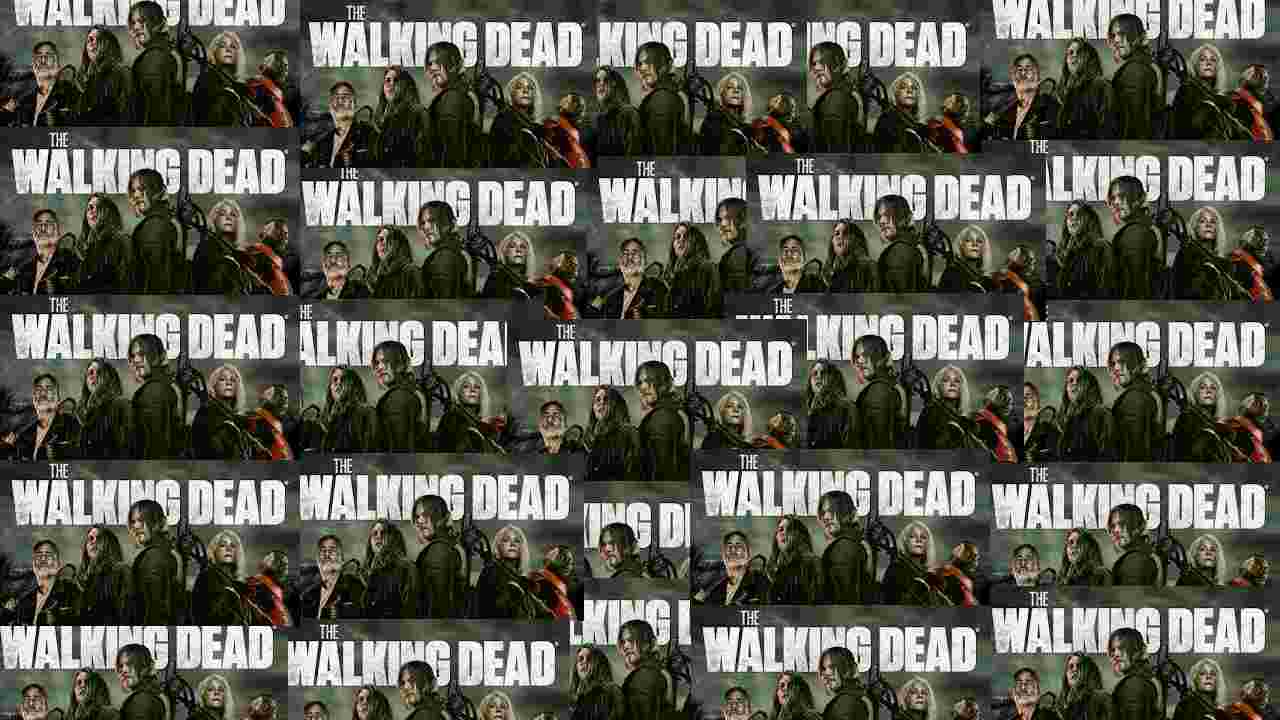
Unlike many zombie films that focus solely on gore and survival action, The Walking Dead delves into human relationships and ethical dilemmas. The true horror often isn’t the zombies themselves, but the living—rival communities, ruthless leaders, and even friends turned enemies.
Its cinematic approach, rich character arcs, and unpredictable storytelling helped the series become a global sensation.
Origins of the Franchise
The Walking Dead began as a comic book series created by Robert Kirkman, first published in 2003. The comics quickly gained a cult following for their raw storytelling and shocking twists. AMC adapted the series into a live-action TV show, premiering on October 31, 2010—perfectly timed for Halloween night.
The adaptation brought Kirkman’s vision to mainstream audiences and set a new standard for zombie fiction.
The Walking Dead TV Series
The Premiere and Its Immediate Impact
The pilot episode, directed by Frank Darabont, was widely praised for its emotional storytelling and cinematic quality. It introduced Rick Grimes, a sheriff’s deputy who wakes from a coma to find the world overrun by the undead.
The first season’s mix of suspense, emotional depth, and horror cemented AMC as a major player in prestige television.
Major Story Arcs Across the Seasons
The Survival Struggles
From Atlanta to the prison and Alexandria, the survivors faced countless challenges. Each location brought new dangers, both human and undead.
Conflicts with Other Communities
As the group settled in Alexandria, Hilltop, and other safe zones, clashes with rival communities became central to the story.
The Rise of Negan and the Saviors
Negan’s introduction marked a turning point in the series. His brutal methods and infamous weapon, Lucille, became iconic symbols of the show’s darker direction.
The Whisperers’ Threat
The Whisperers, a group wearing walker skins, blurred the line between human and monster. Their leader, Alpha, became one of the most terrifying villains in TV history.
Character Development and Fan Favorites
Rick Grimes: The Reluctant Leader
Rick evolved from a small-town sheriff into a hardened leader willing to do anything to protect his people.
Daryl Dixon: The Lone Wolf
Originally not in the comics, Daryl became one of the most beloved characters thanks to his survival skills, loyalty, and rough charm.
Carol Peletier: From Victim to Survivor
Carol’s transformation from an abused wife to a fearless warrior is one of the most powerful arcs in the series.
Negan: Villain, Anti-Hero, and Redeemer
Negan’s character shifted from brutal tyrant to reluctant ally, showing the complexity of redemption in a post-apocalyptic world.
The Walking Dead Comics
Robert Kirkman’s Vision
Before it became a television phenomenon, The Walking Dead was a comic book series created by Robert Kirkman, Tony Moore, and later Charlie Adlard. Running from 2003 to 2019, the comic spanned 193 issues. Kirkman’s goal was to tell an “endless zombie movie” where the focus wasn’t just survival, but how people and societies evolve in a collapsed world.
The comics were darker, often more brutal, and provided a blueprint for the TV adaptation—though with some major differences.
Key Differences Between Comics and TV
While both mediums share characters like Rick, Michonne, and Negan, the plotlines often diverged.
- In the comics, Andrea survives far longer and becomes Rick’s partner, whereas she dies early in the show.
- Carol has a much shorter arc in the comics, unlike her complex transformation in the series.
- Negan’s fate is different: the comics allow him to live on after his reign of terror, while the show softened some aspects of his brutality.
These variations kept fans of both the comics and TV show constantly debating which version did it better.
Iconic Moments in the Comic Series
Some of the most shocking events originated from the comics:
- The death of Glenn at the hands of Negan and Lucille.
- The Governor’s assault on the prison.
- The war with the Whisperers.
- The ultimate conclusion—an exploration of how civilization rebuilds rather than just how people survive.
The comic’s ending surprised many readers, but it gave closure to characters while still leaving a sense of hope.
The Walking Dead Spin-Offs and Expanded Universe
The success of the flagship show sparked a franchise of spin-offs, each exploring different characters and settings.
Fear the Walking Dead
Premiering in 2015, Fear the Walking Dead explored the outbreak’s early days in Los Angeles before shifting into its own storylines. While it initially faced mixed reviews, later seasons tied more directly into the main show.
The Walking Dead: World Beyond
This limited series followed a group of teenagers growing up after the apocalypse. It introduced viewers to the mysterious Civic Republic Military (CRM), an organization with advanced resources and hidden motives—important for Rick’s storyline.
Tales of the Walking Dead
This anthology series allowed writers to experiment with self-contained episodes that explored new characters, old favorites, and unique survival stories.
Rick and Michonne’s Upcoming Series
After Rick’s disappearance in Season 9, fans eagerly awaited answers. AMC confirmed that Rick and Michonne would star in a spin-off exploring their journey and connection to the CRM.
Daryl Dixon’s European Adventure
Another upcoming spin-off focuses on Daryl in France, teasing new types of walkers and expanding the universe beyond North America.
Cultural Impact of The Walking Dead
Zombie Apocalypse in Pop Culture
The Walking Dead reignited global interest in zombie stories, influencing movies, TV, and even literature. The idea of survival communities, ethical dilemmas, and long-form storytelling reshaped how audiences view apocalyptic fiction.
Merchandise, Games, and Conventions
From Funko Pop! figures to video games like Telltale’s The Walking Dead, the franchise extended far beyond the screen. Fan conventions like Walker Stalker Con became pilgrimage sites for diehard fans to meet cast members and celebrate the show.
How It Influenced Other TV Shows
Without The Walking Dead, it’s hard to imagine shows like Black Summer or even broader survival dramas gaining traction. AMC proved that horror could have the same prestige and emotional weight as dramas like Breaking Bad.
The Walking Dead’s Legacy and Future
Why the Series Ended
After 11 seasons, the flagship series concluded in 2022. While ratings declined over time, the finale gave closure to many characters while setting up future spin-offs.
Spin-offs Keeping the Universe Alive
AMC ensured that fans wouldn’t have to say goodbye. With multiple spin-offs in development, the TWD Universe continues to grow—keeping audiences invested in what comes next.
Fan Theories and What’s Next
Speculation runs rampant about Rick’s fate, the CRM’s role, and new types of walkers teased in international settings. The franchise may evolve beyond its original cast, but the world Kirkman created still has plenty of stories to tell.
Frequently Asked Questions (FAQs)
1. How many seasons does The Walking Dead have?
The main series has 11 seasons, airing from 2010 to 2022.
2. Is The Walking Dead based on true events?
No—it’s based on Robert Kirkman’s comic series, though it reflects real human struggles in extreme conditions.
3. What is the difference between the comics and the show?
The comics were often darker and faster-paced, with many character fates diverging from the show’s adaptation.
4. Which character is the most popular?
Fan polls often rank Daryl Dixon as the most beloved character, though Rick, Michonne, and Carol are also favorites.
5. Where can I watch The Walking Dead?
In most regions, The Walking Dead is available on AMC, AMC+, and streaming platforms like Netflix (depending on location).
6. Will there be more Walking Dead content in the future?
Yes! Several spin-offs and movies are in development, including series centered on Rick, Michonne, and Daryl.
Conclusion
The Walking Dead is more than a zombie drama—it’s a cultural touchstone that reshaped how audiences view horror, survival, and human resilience. From its comic book roots to its blockbuster TV run and growing universe of spin-offs, it remains one of the most influential franchises of the 21st century.
The world may have ended in The Walking Dead, but the franchise shows no signs of slowing down.