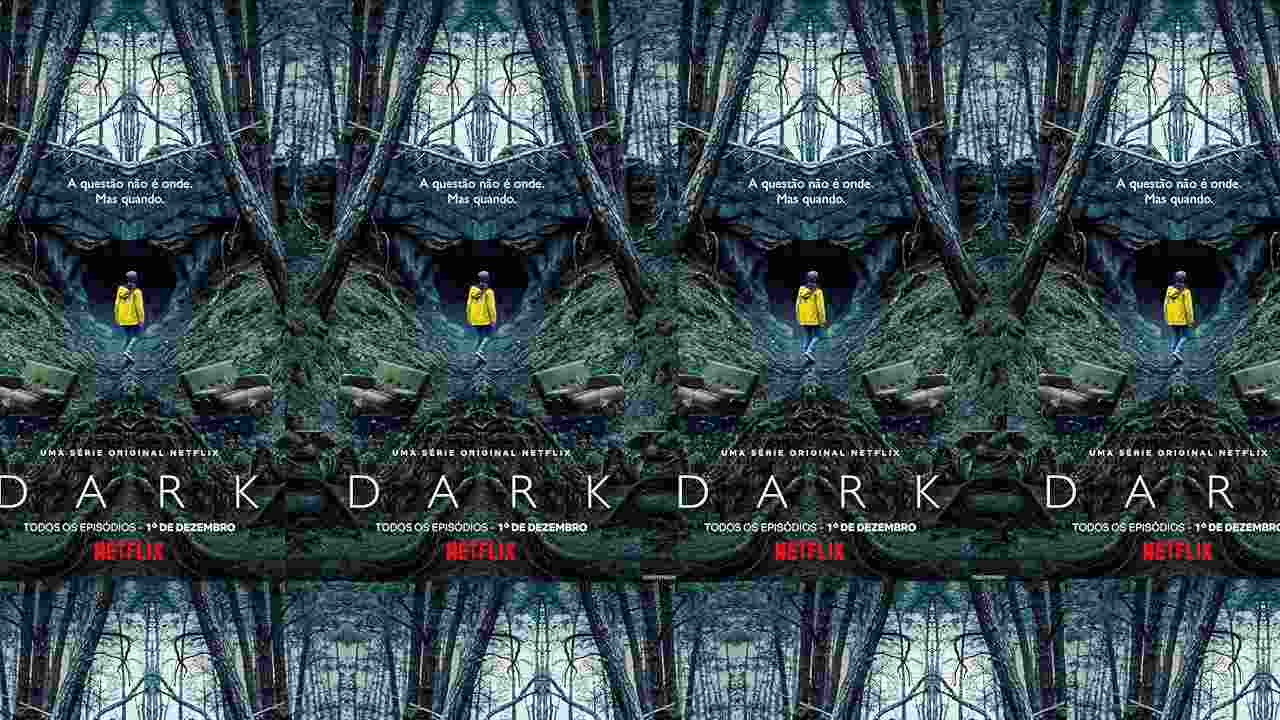
Understanding the Concept of Darkness
Darkness has always fascinated humans. It surrounds us every night, filling the spaces where light cannot reach. From a purely scientific perspective, dark is the absence or reduction of light, but its meaning extends far beyond physics. Across cultures, philosophies, and personal experiences, darkness is layered with mystery, symbolism, and emotion.
The Physical Definition of Darkness
In physics, darkness isn’t a force on its own—it’s simply the lack of photons in a given space. Light allows us to see, and without it, our eyes detect only shadows and void. Yet, this absence has significant influence on both natural processes and human psychology.
Symbolic and Cultural Interpretations of Dark
Throughout history, darkness has symbolized both fear and beauty. Some cultures view it as a realm of danger and evil, while others embrace it as a time of rest, renewal, or spiritual awakening. In many ways, darkness is the mirror of light, giving balance to human understanding of the universe.
Overview
| Director | Baran bo Odar |
| Writer | Baran bo Odar Jantje Friese Marc O. Seng Martin Behnke Ronny Schalk Daphne Ferraro |
| Cast | Louis Hofmann Karoline Eichhorn Lisa Vicari Maja Schöne Jördis Triebel Andreas Pietschmann Stephan Kampwirth Paul Lux Oliver Masucci Moritz Jahn Peter Benedict Gina Stiebitz Deborah Kaufmann Daan Lennard Liebrenz Julika Jenkins Carlotta von Falkenhayn Dietrich Hollinderbäumer Mark Waschke Leopold Hornung Christian Pätzold Hermann Beyer Christian Steyer Will Beinbrink Lisa Kreuzer Anne Ratte-Polle |
| Genres | Crime Drama Mystery Sci.Fi Thriller |
| Release Date | December 1, 2017 |
| Country of origin | United State Germany |
| Language | German English German Sign Language |
| Runtime | 1hr (60min) |
| Production Companies | Netflix W&B Television |
The Science Behind Darkness
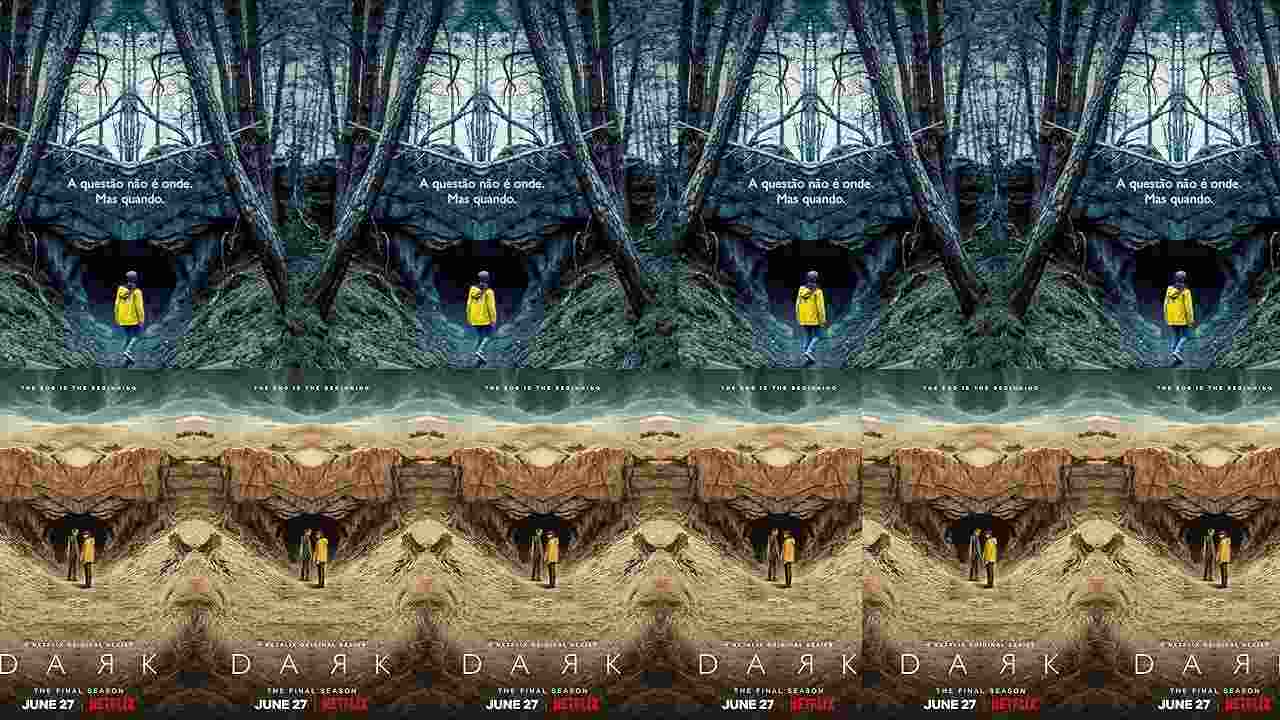
Absence of Light and Human Perception
Our eyes rely on light to form images. In complete darkness, humans experience sensory deprivation, leading the brain to create illusions or heighten other senses like hearing. This is why being in total dark can feel unsettling—it triggers survival instincts.
Darkness in Space and Astronomy
Outer space is often described as the ultimate dark environment. However, it’s not truly empty. The cosmic dark hides matter, black holes, and galaxies invisible to the human eye. Astronomers estimate that dark matter and dark energy make up about 95% of the universe, proving that what we call “dark” still holds immense power.
Psychological Impact of Darkness on the Brain
Exposure to dark settings influences the production of melatonin, a hormone essential for sleep. However, too much darkness without light can cause seasonal affective disorder (SAD), highlighting the delicate balance humans need between light and dark.
Darkness in History and Mythology
Ancient Civilizations’ Beliefs About Darkness
Egyptians associated darkness with the underworld, while Greeks saw it as the primordial state of existence before light and creation. In many traditions, dark was not only feared but also respected as part of the natural cycle of life.
Darkness in Religious Texts and Traditions
Biblical scriptures often contrast light and darkness to represent good and evil. Similarly, Hinduism sees darkness as a symbol of ignorance, while Buddhism sometimes links it to inner struggles on the path to enlightenment.
Folklore, Myths, and Superstitions about the Dark
From vampires to shadowy spirits, folklore often paints dark as a space where unseen dangers lurk. These tales reflect humanity’s fear of the unknown, especially when sight—the primary sense—is impaired.
The Role of Darkness in Art and Literature
Gothic and Dark Romanticism in Literature
Writers like Edgar Allan Poe and Mary Shelley used dark themes to explore death, obsession, and human fragility. Darkness became a literary tool to evoke fear, suspense, and deep emotional reflection.
Darkness in Visual Arts and Cinematography
Artists and filmmakers employ shadows and contrasts to create dramatic tension. The use of “chiaroscuro” in painting and “noir” in film relies on darkness to highlight mystery and intensity.
Music, Symbolism, and the Dark Aesthetic
From heavy metal to dark wave, music often embraces darkness as a theme of rebellion, introspection, or melancholy. Lyrics, rhythms, and even stage lighting play with dark aesthetics to captivate audiences.